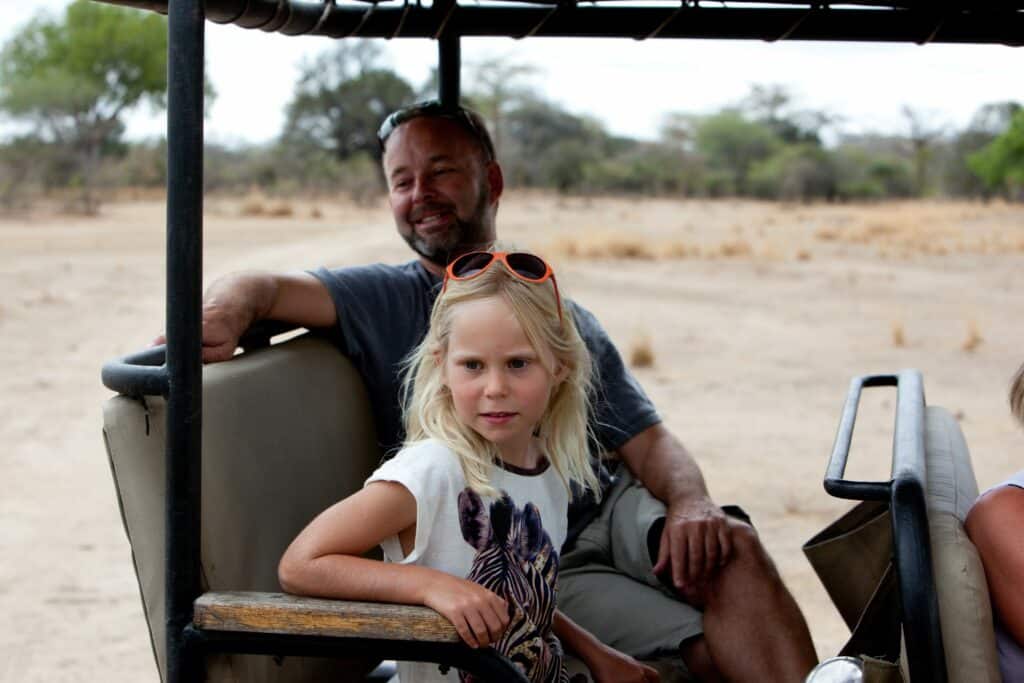
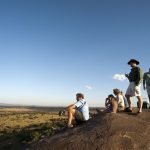
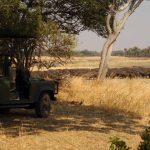
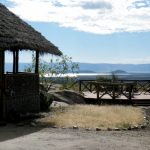
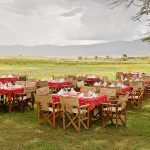
Tanzania offers an unparalleled experience that seamlessly combines the thrill of wildlife adventures with the tranquillity of pristine coastal landscapes making it ideal for honeymoons as well as family safari tours.
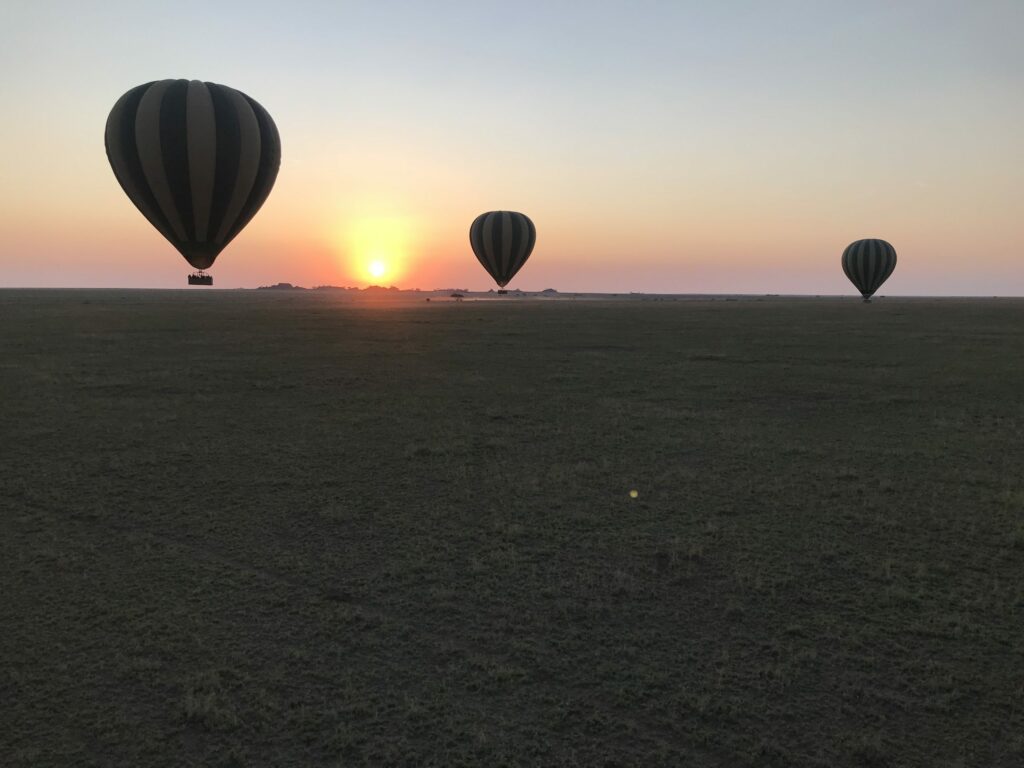
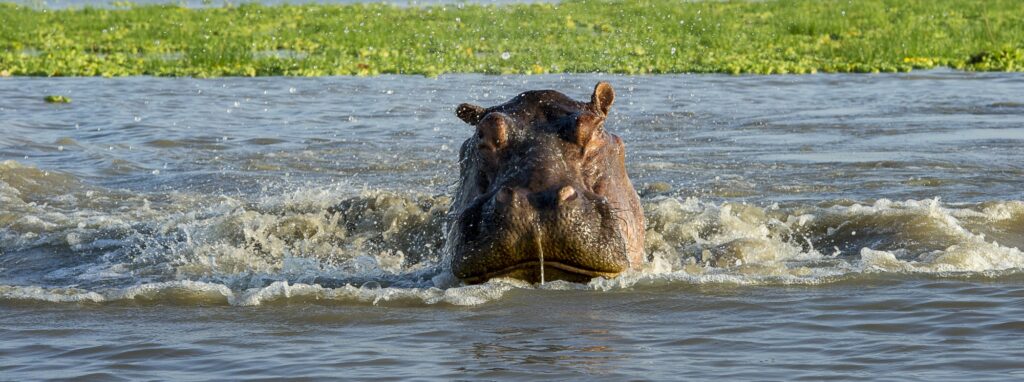
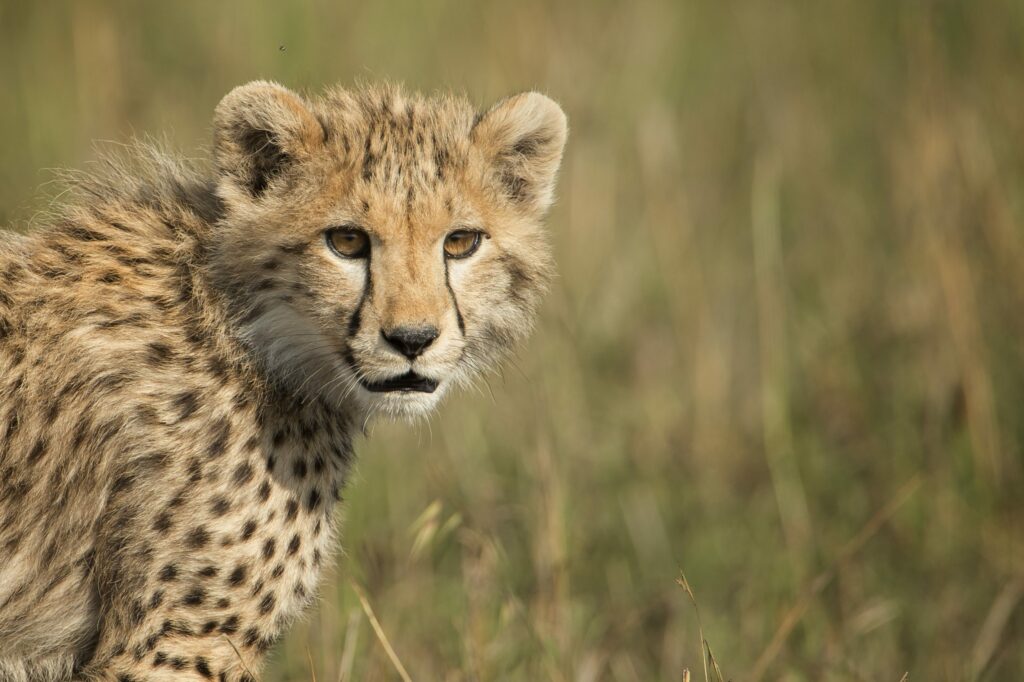
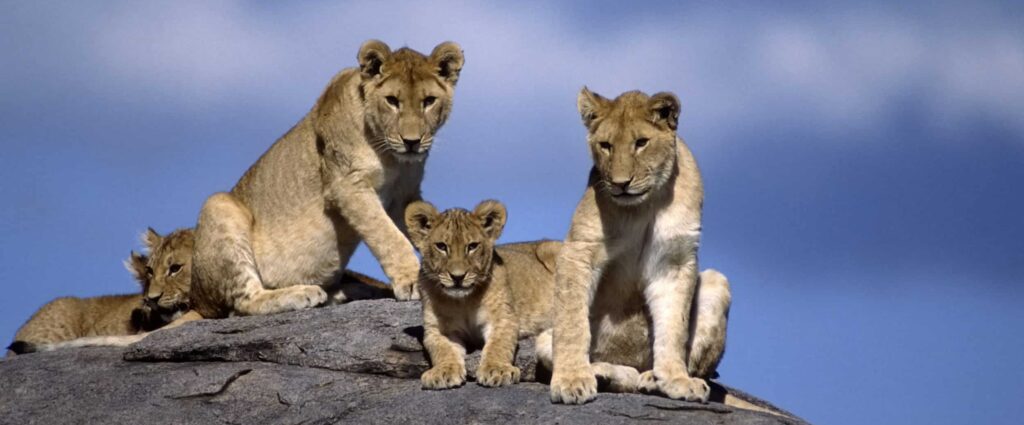
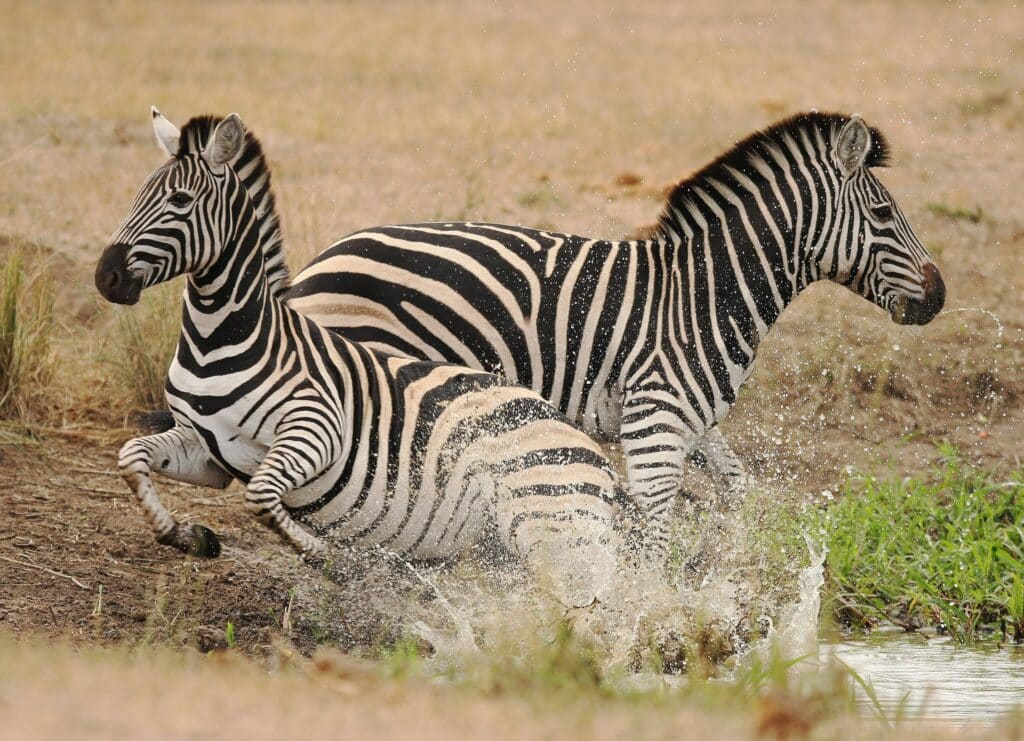
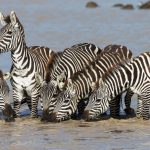
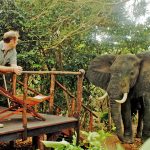
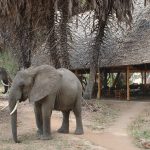
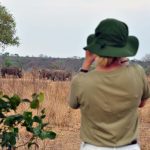
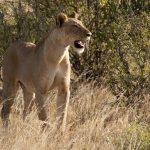
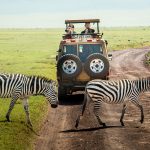
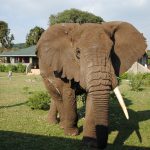
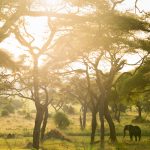
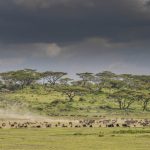
Diverse Wildlife: Tanzania is home to an extraordinary array of wildlife, including the famed Big Five (lion, elephant, buffalo, leopard, and rhino). The Serengeti National Park hosts the remarkable Great Migration, a spectacle that draws visitors from around the world.
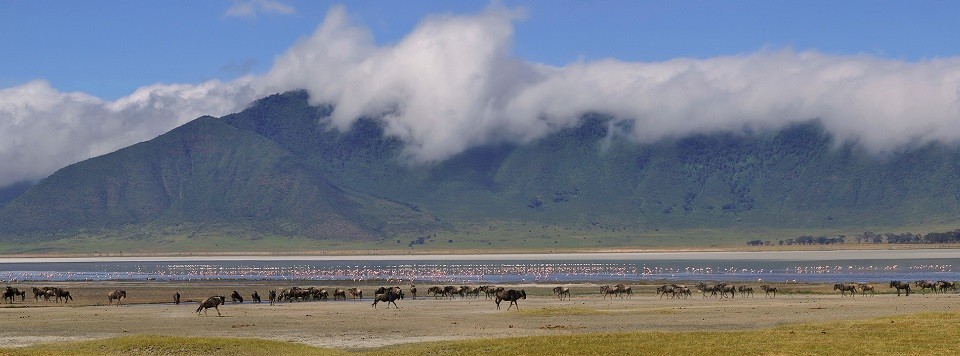
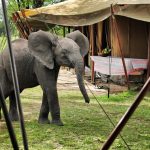
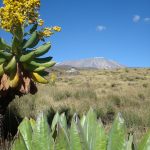
Iconic Safari Destinations: Explore iconic safari destinations like the Serengeti, Ngorongoro Crater, and Tarangire National Park, each offering unique ecosystems and abundant wildlife. These areas provide opportunities for close encounters with nature and the chance to witness the circle of life unfold.
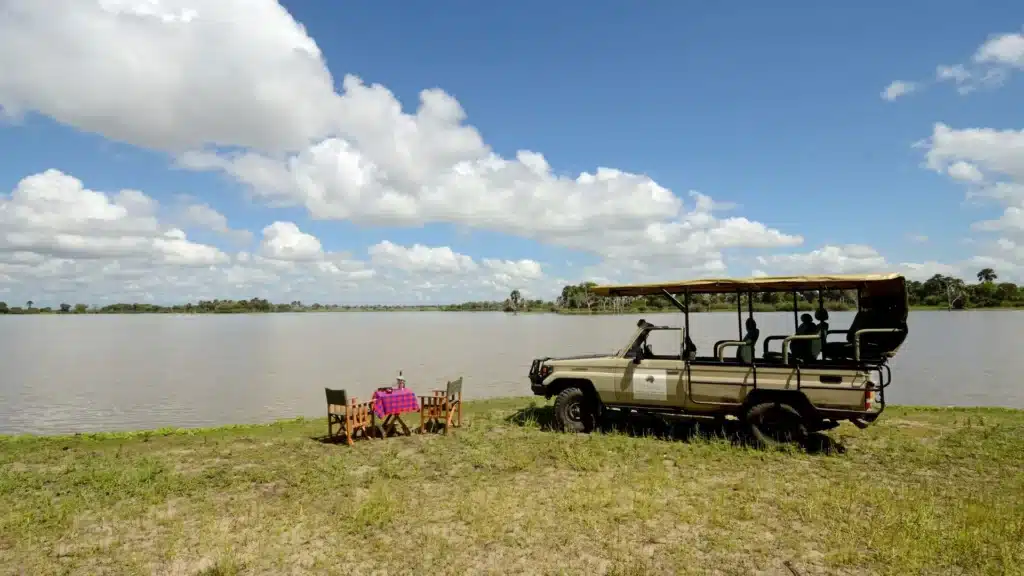
Off the Beaten Track: Discover secluded reserves like Nyerere National offer Park or Ruaha Game Reserve, which offer a more private and intimate safari experience away from the crowds that works well for honeymoon holidays.
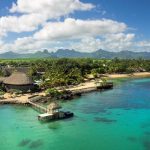
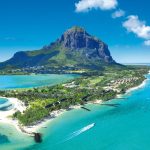
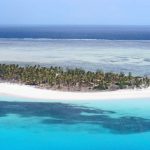
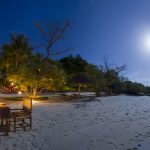
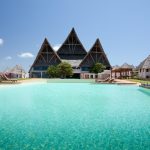
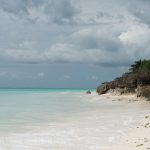
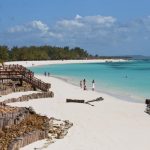
Idyllic Beaches: Tanzania boasts some of the most beautiful and unspoiled beaches in Africa, particularly in the Zanzibar Archipelago. White sandy shores, crystal-clear waters, and vibrant coral reefs create an idyllic setting for relaxation and water-based activities.
Cultural Richness: Immerse yourself in the rich cultural tapestry of Tanzania. Engage with local communities, visit Maasai villages, and experience traditional dances. This cultural immersion adds depth to your journey, providing insights into the heritage and traditions of the Tanzanian people.
Unique Islands: Explore the enchanting islands of Zanzibar, Pemba, and Mafia, each offering a distinct character. Whether it’s the historical charm of Stone Town, the tranquil atmosphere of Pemba, or the pristine marine life around Mafia Island, these islands contribute to a diverse and enriching experience.
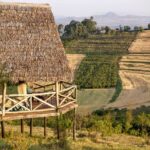
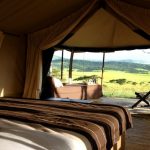
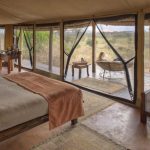
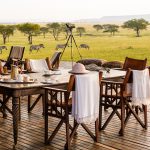
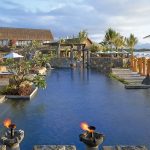
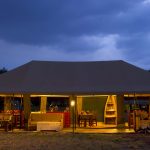
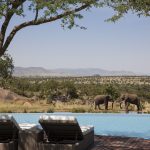
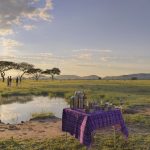
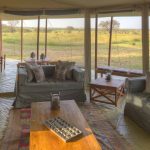
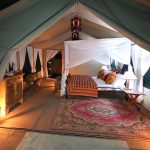
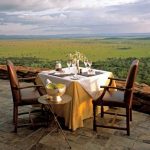
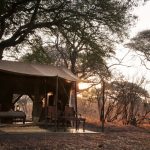
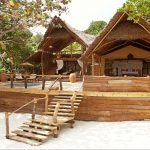
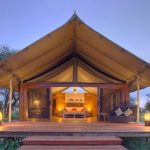
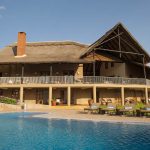
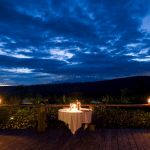
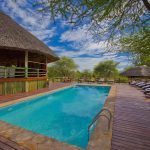
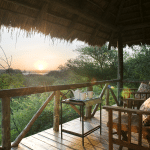
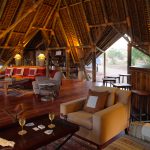
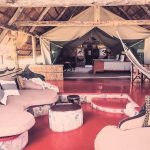
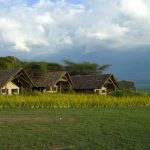
Luxury Accommodations: Indulge in luxury accommodations that blend seamlessly with the natural surroundings, from opulent lodges in the heart of the Serengeti to beachfront resorts on Zanzibar, ensuring a harmonious balance of comfort and immersion in nature.
Adventure and Relaxation: Tanzania allows you to seamlessly transition from the adrenaline of safari game drives to the serenity of sun-drenched beaches. It’s a perfect combination for those seeking both adventure and relaxation in one unforgettable journey.
Why choose a Tanzania Safari
Tanzania is one of the most diverse safari destinations in Africa. It blends outstanding wildlife viewing with varied landscapes, cultural encounters and the option to slow the pace on the coast.
Iconic wildlife and landscapes
- Tanzania is home to an extraordinary range of wildlife, including the Big Five.
- The Serengeti’s open plains and seasonal migration
- The Ngorongoro Crater with its dense concentration of wildlife
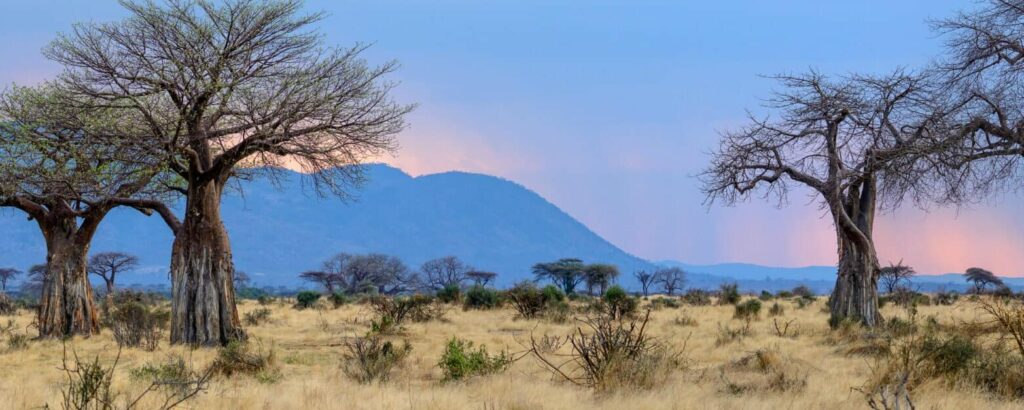
- Tarangire’s elephants and baobab dotted scenery
- Remote southern reserves such as Nyerere and Ruaha
This diversity allows you to see different ecosystems within a single safari holiday in Tanzania.
A choice of safari styles
The northern circuit includes some of Africa’s most celebrated safari areas. The Serengeti offers expansive plains and predator rich ecosystems.
- Classic northern circuit safaris for first time visitors
- Quieter southern safaris for those seeking space and solitude
- Private safaris suited to families or couples
- Fly in safaris that reduce travel time and increase comfort
Each route offers a different feel, and our role is to help you choose the one that suits you best.
Coastlines and island escapes
Tanzania’s coastline offers a natural contrast to time on safari. The Zanzibar Archipelago is particularly well known for its white sand beaches, clear waters and coral reefs close to shore. These coastal landscapes provide an ideal setting for rest, swimming and gentle water activities after days spent exploring the bush.
How to plan your Tanzania Safari and Beach holiday
Planning a safari in Tanzania is about finding the right flow. Below is a simple guide to help you understand how most trips are shaped.
How many nights you need
A well paced Tanzania safari holiday usually includes:
- 6 to 8 nights on safari for a first visit
- 9 to 12 nights for a deeper exploration or multiple regions
If you are combining safari with the coast, many travellers add four to seven nights in Zanzibar.
Where to stay in Tanzania
Accommodation across Tanzania ranges from opulent luxury safari lodges in the Serengeti to relaxed beachfront resorts on Zanzibar. We focus on properties that offer a harmonious balance of comfort and immersion in nature.
What is included in a typical Tanzania safari holiday
Most tailor made safaris include:
- Accommodation in handpicked camps or lodges
- Guided game drives with experienced local guides
- Park fees and conservation charges
- All meals while on safari
- Domestic flights or private transfers where required
- International flights can be arranged or advised on.
Every itinerary is shaped around your pace and priorities.
Need to know
- Visa and health requirements depend on nationality and we provide up to date guidance
- Soft bags are required for light aircraft flights
- Domestic flights link safari regions efficiently
- If combining with the coast, Zanzibar requires a mandatory travel insurance policy purchased through the official tourism website